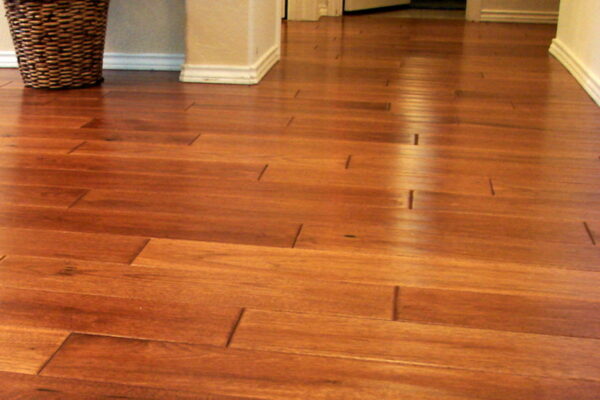
Hardwood is still the floor that homebuyers in Portland ask about first. The real question is whether to choose solid or engineered planks. Both are real wood, and both look beautiful, but they behave differently in our damp climate and on the different foundations found across the metro. Here is how to decide.
How Each One Is Built
Solid hardwood planks are milled from a single piece of lumber, usually three-quarters of an inch thick. Engineered planks have a top layer of real hardwood glued over layers of plywood or a high-density core. That cross-layered structure resists the expanding and shrinking that happens as the seasons change. Learn more on our solid hardwood and engineered hardwood pages.
Why Portland's Climate Matters
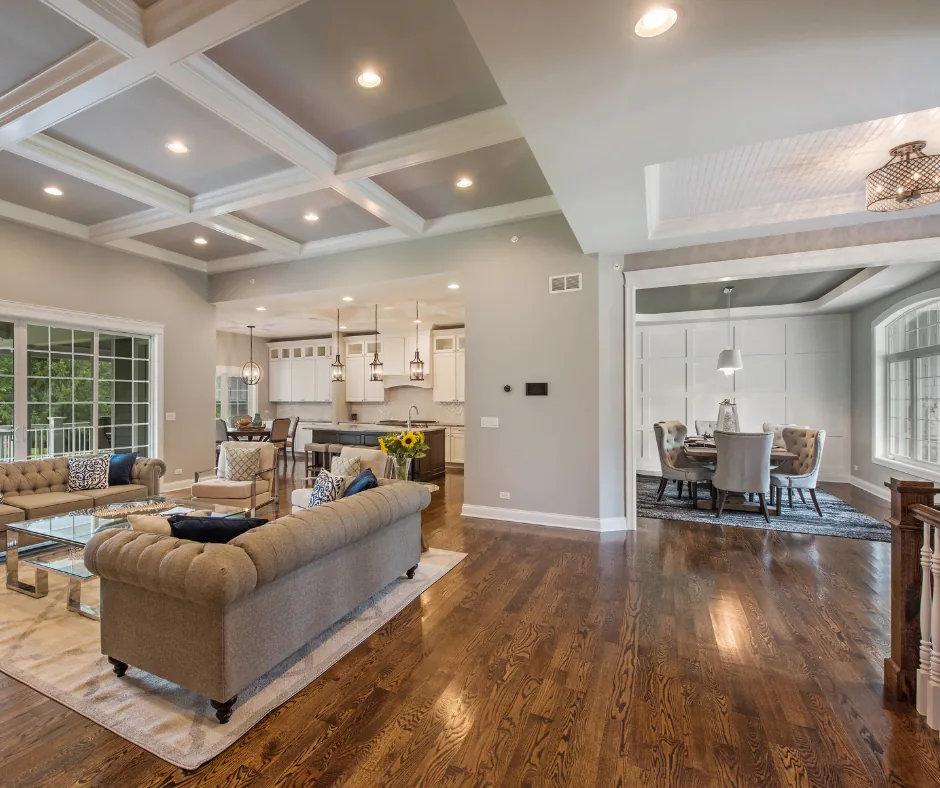
Wet winters and dry late summers mean the wood in your home is constantly moving a little. Solid planks can show small gaps in dry months and tight seams in wet ones, which is normal and part of the character. Engineered planks move less, so they are a calmer choice for homes with wide variations in indoor humidity, or for open floor plans with large uninterrupted runs.
Your Foundation Decides a Lot
- Raised wood subfloor over a crawlspace (common in 1900s-1970s homes in Sellwood, Beaverton and Tigard): solid or engineered both work once the subfloor is flat and the crawlspace is dry.
- Concrete slab (common in newer builds in Happy Valley, Hillsboro and Wilsonville): engineered is usually the safer match, with a moisture test first.
- Over radiant heat: engineered hardwood generally tolerates the temperature changes better.
- Basements and below-grade rooms: choose luxury vinyl plank instead.
Cost and Value
Prices overlap quite a bit. Basic engineered products can come in lower than premium solid oak, while wide-plank European-style engineered boards can cost more than a standard solid plank. Prep work such as leveling and old-floor removal affects the total as much as the wood itself. For a bigger breakdown, read our full range of services and pricing help.
| Solid Hardwood | Engineered Hardwood | |
|---|---|---|
| Installed cost | $9 - $16 per sq ft | $9 - $16 per sq ft |
| Humidity tolerance | Moderate | Better |
| Works over slab | Limited | Yes, with moisture check |
| Plank widths | Mostly narrow to medium | Narrow up to very wide |
| Best fit | Above-grade rooms on wood subfloors | Slabs, open plans, radiant heat |
See the real wood in your own light.
Request a free in-home estimateLooks, Species and Finish
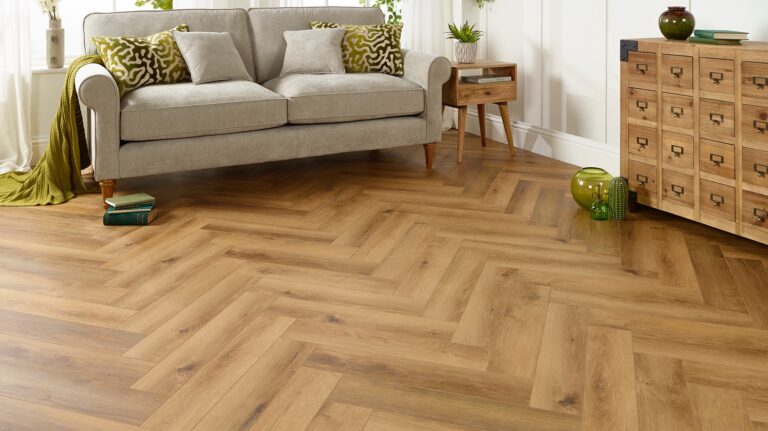
White oak is a popular pick in Portland for its natural grain and its range of tones, from light and Scandinavian to deep and rich. Walnut, maple and hickory are also common. Both construction types come in matte and low-sheen finishes that disguise dust and small scratches, which is a plus during rainy-season foot traffic. If you love a pattern, ask about herringbone or chevron layouts, and browse our flooring inspiration gallery for ideas.
Stairs and Transitions
Stairs are where details show. Matching treads, risers and nosing take careful fitting, and our crew handles them every week. See our hardwood stairs page for options, and our flooring installation page for what a typical job looks like.
Which Should You Choose?
Pick solid if you have a flat, dry wood subfloor and love the traditional feel. Pick engineered if you are on a slab, planning wide planks, or want extra stability through our wet-and-dry seasons. Not sure? That is exactly what the free estimate is for.
Visit the Showroom
Come see full-size samples at 12518 NE Airport Way #150 in Portland, or have a specialist visit your home. We import much of our stock directly, and 0% financing for up to 12 months is available for qualified buyers. Read recent feedback on our reviews page.